
Refiners face mounting pressure to meet ambitious biofuel blending mandates as RIN markets, feedstocks and policy uncertainty shape compliance.

Jacqui Fatka is lead economist for farm supply and biofuels in CoBank’s Knowledge Exchange research division. Over the past 20 years, she’s honed her expertise in ag policy, biofuels, trade, regulations, ag labor, climate-smart agriculture and farm management.
Prior to joining CoBank, Jacqui wrote thousands of articles as an agriculture journalist and staff editor at Feedstuffs, Farm Futures and most recently at Agri-Pulse. She cultivated her love of ag policy during a college internship with the Iowa Pork Producers Association, working in Sen. Chuck Grassley’s Capitol Hill press office. Jacqui has also served as a consultant for Iowa Industries of the Future, an effort to bring together major players in the biorenewables industry.
Jacqui earned a bachelor’s degree in journalism and mass communications and a minor in agriculture education from Iowa State University. She grew up on a diversified grain and livestock farm in southwest Iowa and now lives on a small acreage in central Ohio.
Refiners face mounting pressure to meet ambitious biofuel blending mandates as RIN markets, feedstocks and policy uncertainty shape compliance.
Refiners face mounting pressure to meet ambitious biofuel blending mandates as RIN markets, feedstocks and policy uncertainty shape compliance.
Tight farmer margins and elevated input costs could slow crop input buying and challenge agricultural retailers’ inventory planning.
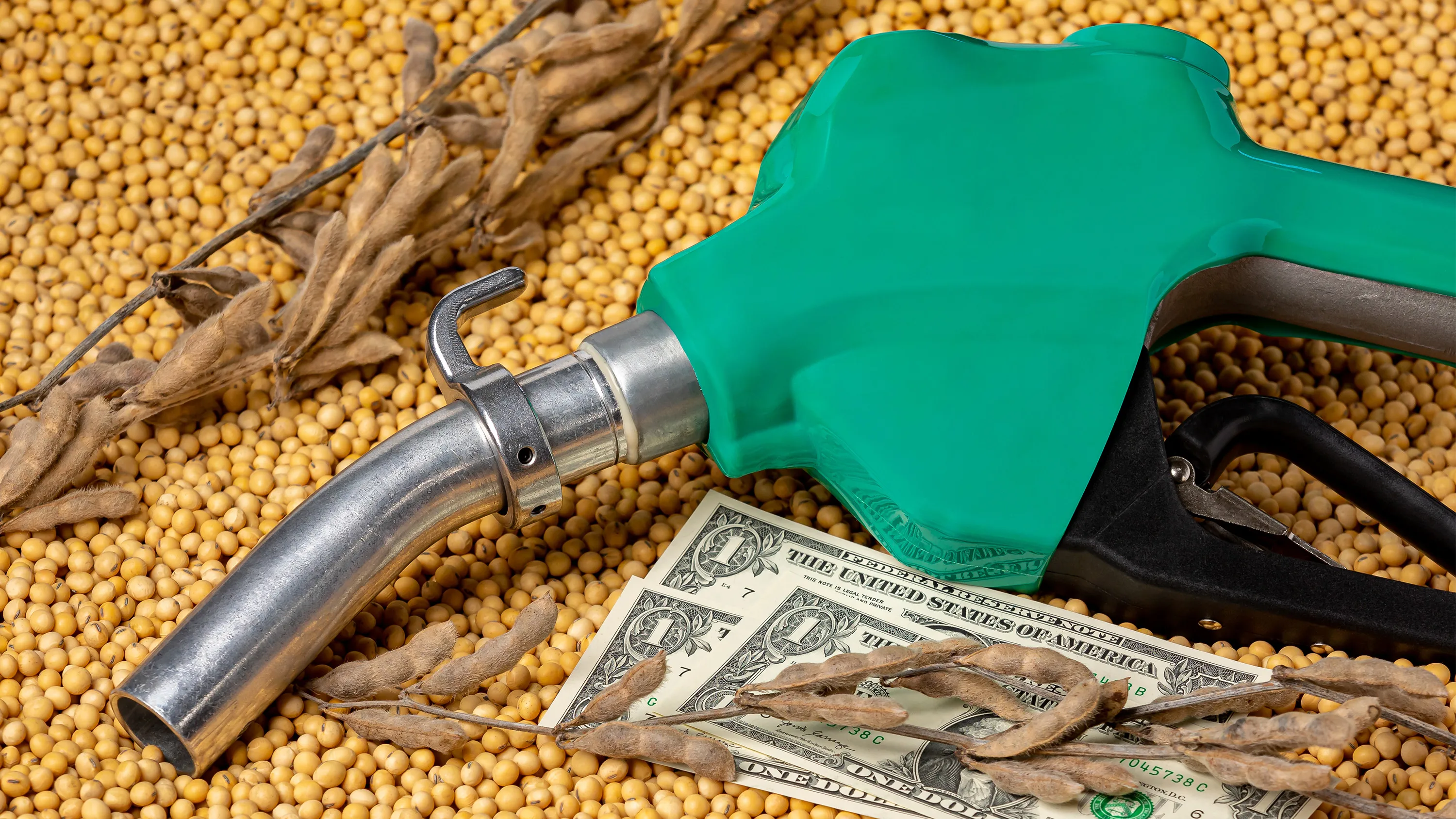
The wait is over for the renewable volume obligations of the Renewable Fuel Standard, clearing an outlook that had been clouded by uncertainty the last several months. On March 27, the White House announced RVOs for 2026 and 2027 at the highest levels in the program’s 20-year history, intended to increase the use of domestic biofuels.
The longer the political uncertainty endures in the Middle East, the greater the lasting impact of stalled fertilizer and oil production. Fuel and fertilizer prices have increased 20%-40% since the conflict began, and buyers who delayed decision making are more exposed. Improved commodity prices are not anticipated to offset higher farm supply prices. Ongoing supply chain disruptions for urea could recreate 2022-level fertilizer prices without 2022 crop-price support.
The dawn of 45Z is here, with conventional biofuel producers entering 2026 poised to capitalize on significant changes in the Clean Fuel Production Credit that allow producers to monetize the tax credit.
Facing another year of tight crop margins and slightly flat to lower crop input prices, farmers will be looking to produce their way to higher profits as they evaluate inputs for the 2026 crop year.
Despite rising fears, artificial intelligence is unlikely to spark a jobs apocalypse for recent college graduates.
The U.S. Energy Information Administration’s Annual Energy Outlook has consistently predicted that electricity’s future would be led by solar power supply additions. But intensified local opposition, a turn-around in federal support and marketplace headwinds challenge that view.
Lower fertility rates, declining labor force participation, and lower net immigration are combining to squeeze labor supply. With the labor supply in rural America set to get tighter, technology – most obviously AI and robotics – will likely be at the core of any strategy to address the oncoming labor squeeze.
Artificial intelligence is transforming agriculture retailers by improving agronomy recommendations, streamlining workflows, enhancing customer relationships, optimizing inventory, and strengthening decision‑making across operations—from precision ag and seed prescriptions to supply chain management and workforce support.
CoBank’s Q1 2025 Quarterly report examines the economic forces shaping rural America, highlighting key shifts across agriculture, energy, communications, and financial markets as the year begins.
With growing world ethanol demand and higher domestic blend rates, the ethanol industry is positioned for continued growth.