
Consumers are trading down and buying less food as retailers and brands lean on value strategies and supplier support.

Practical insight on food systems, including packaged foods and consumer demand shifts.
Consumers are trading down and buying less food as retailers and brands lean on value strategies and supplier support.
Higher prices and consumer caution are taking a toll on restaurant foot traffic and retail basket size. Activist investors are targeting areas within their portfolios that can boost performance, trim margins and improve consumer engagement. Higher gas and household costs will likely keep much of consumers’ food spending on options at home.

Futures prices of cocoa have dropped by almost half since the first of the year. But retail pricing of chocolate brands continues to be elevated, as cocoa prices outpace traditional levels posted two-plus years ago.
Consumers are resisting higher prices, as reflected in flat to dipping volume sales and muted growth expectations across major food and beverage companies.

Consumer demand for foods with high-quality protein continues to surge. This demand has shifted buying patterns in dairy and beyond. Ultimately, this transformation in the retail space will significantly impact dairy processors and food manufacturers for the foreseeable future.

Restaurants are showing further signs of weakness as higher prices are taking a toll on consumer dining-out behavior, and little indicates a shift soon. Year over year, menu prices jumped 3.7% in September, well below the 8.8% peak in March 2023 but still considerable growth. And with restaurant prices still rising faster than food-at-home costs, consumers continue to shift food consumption to at-home—a trend showing no signs of stopping.

Alcohol consumption is declining globally, driven by younger consumers focused on their health and wallets. As such, world-wide wine consumption in 2024 hit its lowest level since 1961.
Convenience store chain mergers and acquisition are poised to reshape the industry, and rural communities may want to take note.
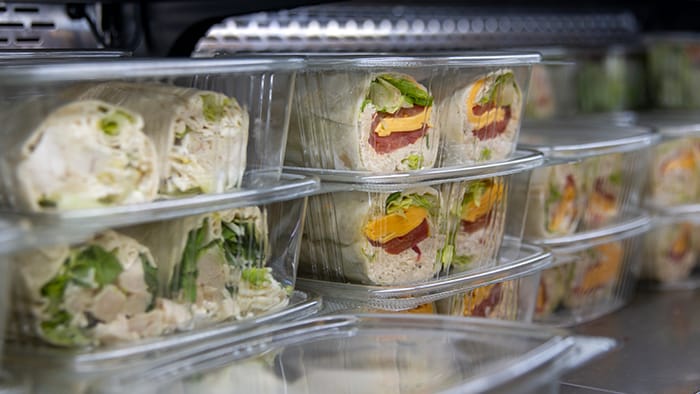
Convenience stores are transforming into food‑forward destinations as fresh offerings and loyalty programs drive stronger traffic.
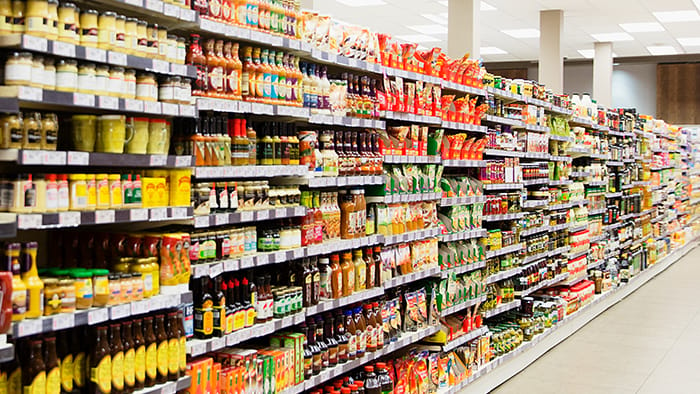
Food and beverage companies are sharpening their M&A strategies as capital costs ease, focusing on targeted acquisitions, portfolio streamlining, and growth in high‑margin snack and better‑for‑you categories
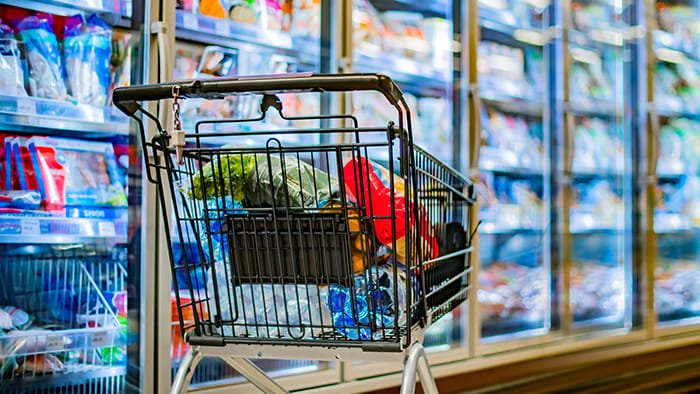
Dollar sales of private label products have grown more than a third since 2019, likely surpassing $250 billion in 2024 and representing roughly 20% of basket share, per Nielsen.

Most U.S. consumers purchase dairy, which is also the largest category in retail. Over the next three years, approximately 90% of people have no plans to reduce their dairy product purchasing behavior.
Get relevant and actionable insights from CoBank's industry-leading Knowledge Exchange research team.
Get relevant and actionable insights from CoBank's industry-leading Knowledge Exchange research team.