
Dairy poised to help meet consumers’ growing demand for protein


Corey Geiger, Abbi Groves, and Billy Roberts
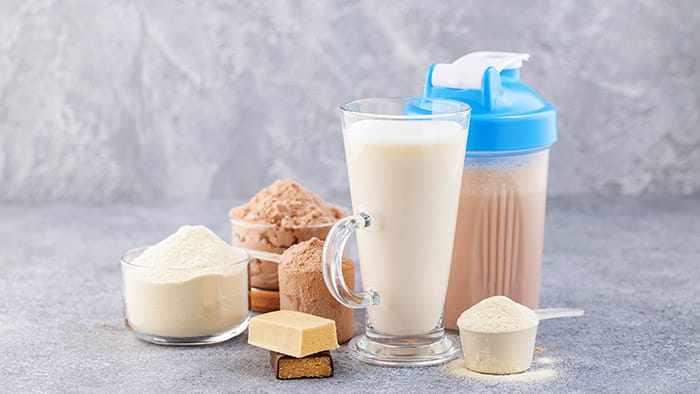
Key Points
- Consumers’ focus on eating more protein has gained further traction with 70% of Americans saying they want more protein in their diets, up from 59% four years ago.
- Food and beverages with a high-protein claim on the label can command a price premium as high as 12%.
- While protein’s biggest punch comes from traditional eating occasions, snacking is a wide-open opportunity as only 17% of consumers currently consider protein when choosing snacks.
- With at least 12% of Americans now on GLP-1 weight loss drugs and seeking dietary protein, high-quality dairy protein has even more market opportunities.
- Sales of ready-to-drink dairy nutritionals and protein shakes have grown 74% in just four years, positioning the category for even more growth.
Consumer demand for foods with high-quality protein continues to surge. This demand has shifted buying patterns in dairy and beyond. Ultimately, this transformation in the retail space will significantly impact dairy processors and food manufacturers for the foreseeable future.
Why are consumers seeking so much protein? Consumers of virtually all ages, but particularly younger generations, associate protein with physical health and an expanding array of benefits, not limited to mental wellness and immunity.
The momentum has been building in recent years, according to the International Food Information Council’s (IFIC) Food & Health Survey. In 2022, 59% of American consumers reported trying to consume more protein in their diet. A year later, the percentage grew to 67%, and in 2025, fully 7 in 10 American consumers want more protein content in their diets.
.JPG?auto=webp&format=pjpg&quality=80)
A protein claim on a product in the supermarket can not only draw consumer attention but also invoke greater spending. In fact, food and beverage products with a high-protein claim on the label can command a price premium as much as 12%, according to research estimates from Circana and others.
What’s the proper protein intake?
Despite the growing focus on protein, consumers do not appear to know how much protein they actually need. Nearly three quarters of consumers are either unaware (53%) or unsure (26%) of their daily protein requirements, per IFIC.
Chobani research finds a similar level of misconceptions around protein intake; roughly a quarter of consumers were unsure of exactly how much protein they should consume, and more than 4 in 10 (42%) did not know the difference between complete and incomplete protein. This is an important opportunity for dairy; dairy is a complete protein source as it naturally contains all nine essential amino acids required in a human diet, playing crucial roles in muscle repair, growth and overall health.
In the 1980s, the National Academy of Medicine had a recommended daily allowance (RDA) of protein for an adult of 0.8 grams per kilogram of body weight. In that recommendation, a person weighing 75 kilograms (165 pounds) should consume 60 grams of protein per day. While this number has been widely accepted as appropriate for many years, some nutritionists began advising 10%-35% of one’s daily calories as a more accurate goal for protein consumption. The 2025-2030 Dietary Guidelines for Americans takes the protein recommendation one step further, moving the RDA from 0.8 gram per kilogram of bodyweight to a range of 1.2 to 1.6 grams per kilogram of body weight. Those guidelines also suggest a food higher in protein be eaten at every meal. Under these new guidelines, a person weighing 75 kilograms (165 pounds) will need to consume between 90 grams to 120 grams of protein per day.
Even leading up to the federal announcement on Jan. 7, 2026, the mere presence of protein boosted consumer opinions of a product in present-day markets. Protein has become the top nutrient that consumers use and seek when defining a “healthy” food, according to the latest IFIC research.
.JPG?auto=webp&format=pjpg&quality=80)
Big opportunities for small snacks
Protein’s biggest punch is at traditional mealtimes: 56% of consumers eat protein at dinner, 44% at breakfast, and 42% at lunch.
While the snacking category has been growing for decades, protein claims still remain somewhat of an afterthought – only 17% of consumers indicate that they prioritize protein when selecting a snack, per IFIC research. The numbers suggest consumers simply do not correlate protein with snacking occasions. This is an opportunity for snack makers to leverage protein as an inherent element, and protein-rich dairy products could play a big role in shifting this perception.
Presently, dairy products trail the pack for evening and late-night snacks. Perhaps consumers could “finish off the day in the healthiest way” with a snack rich in protein, vitamins and fiber, for which dairy could be the choice or, at the least, a component of the evening snack.
.JPG?auto=webp&format=pjpg&quality=80)
Building on that opportunity, a sizable portion of consumers forgo meals in place of a snacking event. The role of a healthier, satiating snack could solve multiple consumer demands, including health and convenience.
.JPG?auto=webp&format=pjpg&quality=80)
Chobani research explored a similar line of thought, discovering only 13% of U.S. consumers eat Greek yogurt to boost protein intake throughout the day. This suggests an untapped potential for dairy products, particularly yogurt, marketed as a high-protein, cost-effective and clean-label snack solution. On top of these perspectives, the average American only consumes 14.5 pounds of yogurt per year, while French and German consumption levels are well over 40 pounds per person. Tremendous upside exists.
When it comes to professional nutrition advice, 60% of dietitians surveyed consider yogurt to be a “great, protein-rich option for a snack.” However, the dairy-protein opportunity goes far beyond the yogurt category.
While protein can be found naturally across the dairy product category from milk and cheese to cottage cheese and yogurt, consumers seem trained to prioritize protein found in bars, ready-to-drink shakes, sports and nutritional drinks and a host of whey powders. This presents an opportunity for traditional dairy products as a solution in the protein space.
One opportunity for cheese makers would be to invest in the single serve snacking category, as cheese contains ample supplies of casein and whey protein. A 1-ounce serving of Cheddar cheese has 7 grams of protein with Mozzarella slightly higher at 8 grams.
Additional GLP-1 drug options could enhance protein
Some 40% of American adults are considered obese, U.S. government data shows. At least 12% of adults say they currently take GLP-1 drugs for weight loss, according to a poll published by health policy research organization KFF in November 2025. Households using GLP-1 medications cut spending at grocery stores by 5.3% and at fast-food restaurants by about 8% on average, according to a Cornell University study published in December 2025 that utilized purchase data from about 150,000 households collected by Numerator.
However, the study also found GLP-1 users are increasing their spending in a handful of categories, including yogurt, fresh fruits and vegetables, meat snacks and protein bars. Echoing those findings, Danone, maker of Oikos Greek yogurt, has reported double-digit growth in its high-protein offerings, a trend it says has accelerated with the adoption of GLP-1 medications.
Usage of those medications has trended upward in recent years, but they are poised to play an even greater role in consumer behaviors. Pill forms of GLP-1 weight-loss drugs are set to debut in early 2026, promising to be less expensive and easier to take than the injected options presently available. Industry expects that a pill option will lead to greater adoption of GLP-1 weight loss drugs among American consumers.
Presuming the pill form takes the place of injected GLP-1 drugs, demand will rise even higher for more protein and smaller portion sizes. Chipotle has already attempted to get ahead of the expected demand curve with a high protein menu that includes a snack-sized portion of its chicken and steak offerings. The chain would seemingly be well suited to include an option for cheese or avocado to its snack range, but regardless, it will hardly be the last restaurant chain to attempt to rebound from a challenging 2025 by adjusting to the shift in behaviors from GLP-1 usage. Subway, Dunkin’, Starbucks and other chains have also rolled out protein features.
While this is the future, the impact of GLP-1s on various food categories has already been significant. More than 9 in 10 consumers who are on GLP-1 drugs (93%) have reduced their portion sizes. Fortunately for the dairy category, its products have been less impacted.
Research by Morgan Stanley finds 57% of respondents are consuming about the same amount of dairy as they did before they started using weight-loss medications, compared with 28% eating less and 15% consuming more. In the dairy case, yogurt is particularly shielded from consumer pullback, benefitting from higher protein content, pre- and probiotics, as well as a variety of low- and no-sugar options. Cottage cheese has been experiencing similar trends with its versatility in many food applications, the reason for its double-digit sales growth for multiple years in both volume and dollars.
Future of protein with dairy
Looking to the future of foods, manufacturers are being urged to reformulate products and add healthier elements. The very real possibility of legislation around ultra-processed foods would create an opportunity for protein and/or fiber, to help enhance or “balance” these foods. No matter the case in that space, the new U.S. Dietary Guidelines for Americans keeps protein in focus, preserves value in meats and dairy, and advises Americans to minimize highly processed foods and added sugars. When it comes to the protein category in the marketplace, Mintel has already estimated the overall U.S. protein market at $114.4 billion as of 2025, with a projected compound annual growth rate or CAGR of 1.9% through 2028.
As a result, manufacturers likely will take a cue from formulators who have already incorporated dairy-based ingredients. This may take nontraditional forms. Formulators, for example, have developed more protein-centric baked goods to add nutritional value to everything from sliced bread to cookies and crackers.
Quest Nutrition, part of The Simply Good Foods Co., utilizes complete dairy- and egg-based proteins to deliver a full amino acid profile in its bars, cookies, chips, crackers and muffins. Milk proteins appear first on Quest muffins’ ingredient label, a blend consisting of whey protein isolate, micellular casein, whey protein concentrate and calcium caseinate. Eggs and nonfat dry milk are also part of the recipe, resulting in a muffin that provides 10 grams of protein.
The interest in protein has also prompted considerable dairy ingredient innovation from the private label ranks. Aldi offers Elevation Protein Puffs, featuring milk protein isolate, skim milk, whey protein concentrate, and cheese to provide 42 grams of protein in each 2.1-ounce pack. Equally important, the packaging communicates the advantages of the dairy components, calling out the amino acid composition and content of the product.
While protein claims garner continued attention among manufacturers across the food and beverage aisles, other nutrients also resonate with consumers — many of which bode quite well for dairy-based products. More than half of consumers report trying to consume more calcium (56%), while 63% would like more vitamin D, and nearly two thirds (64%) would like more fiber in their diet, according to IFIC survey data.
The future is here
Building upon the protein trend, growth in consumer demand for high-protein products that are also high in fiber is almost a certainty, particularly among GLP-1 users, for whom nutrient density and satiety make fiber a natural fit. While yogurt and cultured beverages have been the focus for high-protein offerings, flavored and high-protein milk options are the next dairy segment to benefit from the protein boom.
Fairlife set the stage for the premiumization of milk with its release in 2014, focusing on high protein, reduced lactose and clean labels listing ingredients consumers can understand. Fairlife and its cousin Core Power took high-protein dairy past body builders and into the mainstream. As a result, ultra-filtered milk is one of the most in-demand dairy ingredients right next to whey protein isolate.
Now a host of products in the category compete on higher protein, lactose free, low added sugar and extended shelf life. Some of these products include Nurri at 30 grams of protein and Muscle Milk, which has been reformulated with ultrafiltered milk. Propel, the fitness water beverage, also unveiled a new 20-gram protein option. In the foodservice space, Starbucks launched a coffee-plus-protein option that has 22 grams of protein and 5 grams of prebiotic fiber. Likewise, Dunkin’ Donuts added new retail offerings with its Protein Milk launch this January. These are just a few examples in the growing dairy protein space.
The ready-to-drink (RTD) dairy shake category deserves a special call out. While traditional fluid milk sales have been sluggish, the RTD high-protein shake category is bounding higher – up 71% over a four-year span as sales have moved from $4.7 billion to $8.1 billion, based on Circana sales data ending Nov. 30, 2025. It’s important to note that these sales are not captured in the traditional fluid milk category, as these products are usually produced with Class II and Class IV farmgate milk, not Class I milk. If the RTD and traditional fluid sales tracked by Class I metrics were combined, beverage milk sales would show significant growth.
.JPG?auto=webp&format=pjpg&quality=80)
In addition to the high-protein dairy shake category, the interest in protein and probiotic dairy beverages lower in lactose continues to fuel kefir sales in the U.S. Like most protein-rich dairy foods, the market for kefir shows little sign of slowing, with market researchers eyeing a CAGR of 3.7% to 6.0% over the next 5 to 8 years, with an ultimate valuation of more than $2 billion.
The amino acids found in dairy products are among the most complete protein sources. These complete amino acids will create more opportunities for dairy, both as stand-alone products and in the ingredient space as food manufacturers look to boost protein content, reduce sugar levels, and create more streamlined, clean-labeled products. Ultimately, this transformation in the retail space will significantly impact dairy processors and food manufacturers for the foreseeable future.
The authors would like to thank external reviewers including Madlyn Daley, Will Loux, and Paul Ziemnisky.