
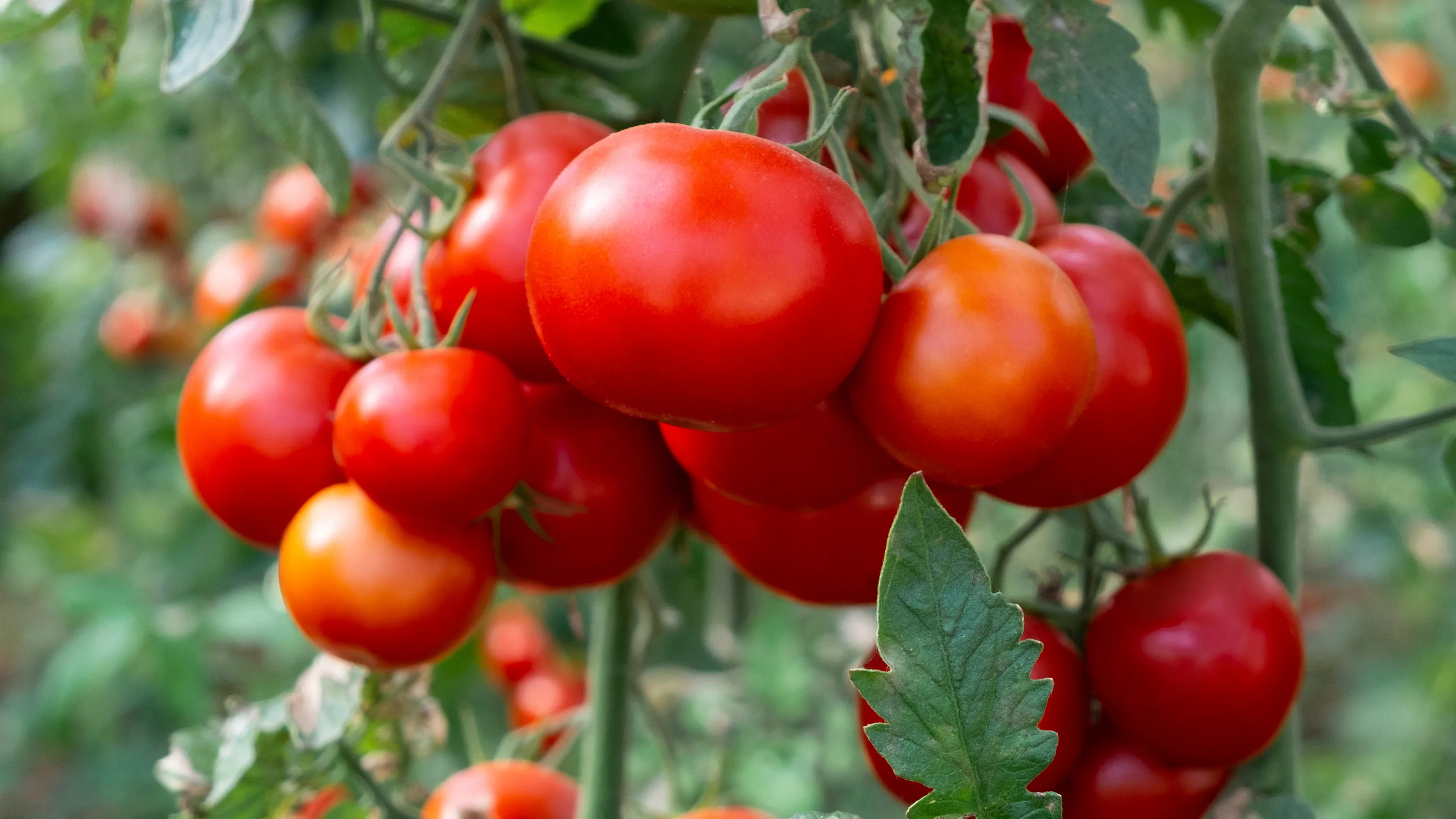
Tomato prices surged 40% as weather and duties tightened supply, while organic produce premiums pressure younger, cost-conscious consumers.

Billy Roberts is senior economist for food and beverage in CoBank’s Knowledge Exchange research division. An expert in competitive intelligence and market landscape forecasting, Billy has more than 20 years of experience delivering actionable insights to a variety of food and beverage audiences. He came to CoBank from the consumer market research firm Mintel where he conducted qualitative and quantitative research on consumer attitudes and behaviors for an international client base of major global food and drink manufacturers, retailers, and ingredient and packaging suppliers.
Billy previously served as executive editor of business and new media at Prepared Foods/BNP media, a food industry news and trends magazine. He holds bachelors’ degrees in English and political science from University of Mobile.
Tomato prices surged 40% as weather and duties tightened supply, while organic produce premiums pressure younger, cost-conscious consumers.
Consumers are trading down and buying less food as retailers and brands lean on value strategies and supplier support.
Sales of meat snacks have grown by over 45% in the past four years to $4.4 billion.
Higher prices and consumer caution are taking a toll on restaurant foot traffic and retail basket size. Activist investors are targeting areas within their portfolios that can boost performance, trim margins and improve consumer engagement. Higher gas and household costs will likely keep much of consumers’ food spending on options at home.
Away-from-home coffee sales suggest consumers are exploring a range of approaches to handle double-digit cost increases, including DIY. With 30% of all U.S. organic sales, produce maintains its lead in organic product market share. An increasingly K-shaped economy suggests the price of organic goods may well limit their ultimate audience to higher-income consumers.
Futures prices of cocoa have dropped by almost half since the first of the year. But retail pricing of chocolate brands continues to be elevated, as cocoa prices outpace traditional levels posted two-plus years ago.
Consumers are resisting higher prices, as reflected in flat to dipping volume sales and muted growth expectations across major food and beverage companies.
Consumer demand for foods with high-quality protein continues to surge. This demand has shifted buying patterns in dairy and beyond. Ultimately, this transformation in the retail space will significantly impact dairy processors and food manufacturers for the foreseeable future.
Restaurants are showing further signs of weakness as higher prices are taking a toll on consumer dining-out behavior, and little indicates a shift soon. Year over year, menu prices jumped 3.7% in September, well below the 8.8% peak in March 2023 but still considerable growth. And with restaurant prices still rising faster than food-at-home costs, consumers continue to shift food consumption to at-home—a trend showing no signs of stopping.
Alcohol consumption is declining globally, driven by younger consumers focused on their health and wallets. As such, world-wide wine consumption in 2024 hit its lowest level since 1961.
Despite rising fears, artificial intelligence is unlikely to spark a jobs apocalypse for recent college graduates.
Lower fertility rates, declining labor force participation, and lower net immigration are combining to squeeze labor supply. With the labor supply in rural America set to get tighter, technology – most obviously AI and robotics – will likely be at the core of any strategy to address the oncoming labor squeeze.